Sustainable, Regenerative, Abundant
As designers, we restore and celebrate the connection between our clients and the natural world, outside of our homes and screens. We also look back in time, analyzing the past and present as we design landscapes for the future. These landscapes can restore ecosystems, water and nutrient cycles, and help cool the air as they bring beauty, abundance, joy, and healing to our communities.
Sustainability at APLD International
APLD supports sustainable design practice through the international organization, statewide chapters, and local districts. We engage with our sponsorship and industry partners to support sustainable materials and practices. We share resources and create opportunities for our membership to educate, foster and support regenerative design. We encourage our member designers to share this knowledge with their clients and their communities. Together we work to grow a greener, more resilient, and abundant future.
Resources
Here are some publications from the National organization that members can use to guide them in designing sustainable landscapes.
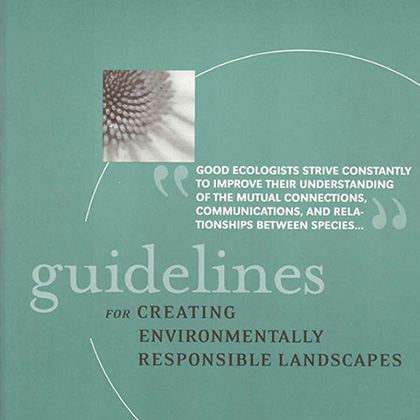 Guidelines for Environmentally
Responsible Landscapes
 Environmental Responsible
Lawns: Guidelines
 APLD Guide to
Sustainable Soils
 Native Plants in
the Landscape
 Water in the Landscape
- 2023 State of the Pot
- 2019 Sustainability Report
- APLD Sustainable Design Checklist
- Sustainable Sites Initiative
Healthy Pots, Healthy Planet Initiative
APLD’s in-depth study of the production, use, disposal, and environmental impact of horticultural plastic containers culminated in a white paper published in July 2020. The research revealed that plastic pots significantly contribute to the proliferation of plastic pollution, with numerous adverse environmental effects. For that reason, the APLD has established the Healthy Pots, Healthy Planet Initiative.
Slow the Burn Symposium
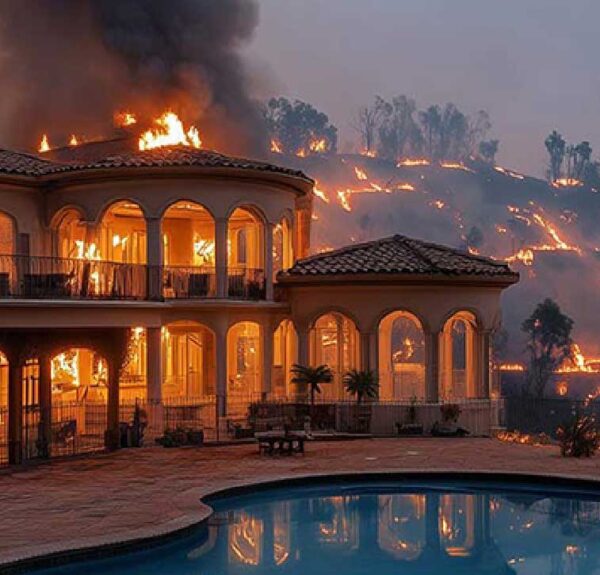
APLD California Chapter and Advocacy Committee provided our members and industry professionals with specialized training in fire-resilient landscape design. These 5 modules are now available for purchase and download here (Slow the Burn Symposium). This follow-up video further discusses defensible space zone design, plant selection and other considerations.
After the Fires
Greater Los Angeles and Sacramento Districts, following the catastrophic fires of 2025, produced a series of three webinars. “Report from the Burn Zones” included designers and architects sharing their personal and professional experiences during and after the fires in both Pacific Palisades and Altadena. Greg Rubin then shared his research and expertise in “Native Landscapes and Fire: Everything You Think You Know Is Wrong!” This was followed by “Landscape Material Options for Fire Resiliency*” which shared resources, materials, and other information for resilient landscape design, construction, and maintenance.
The Watershed Approach
This short, informative video demonstrates what APLD CA members have to say about landscape design with the watershed in mind. This project was made possible, in part, through a grant awarded by APLD National.
Show the Flow Symposium
This symposium included discussion about designing and maintaining landscapes for watershed health and a series of video garden tours. These demonstrate how landscapes can protect and improve the health and water quality of local creeks, streams, and rivers, and prevent storm water pollution.